
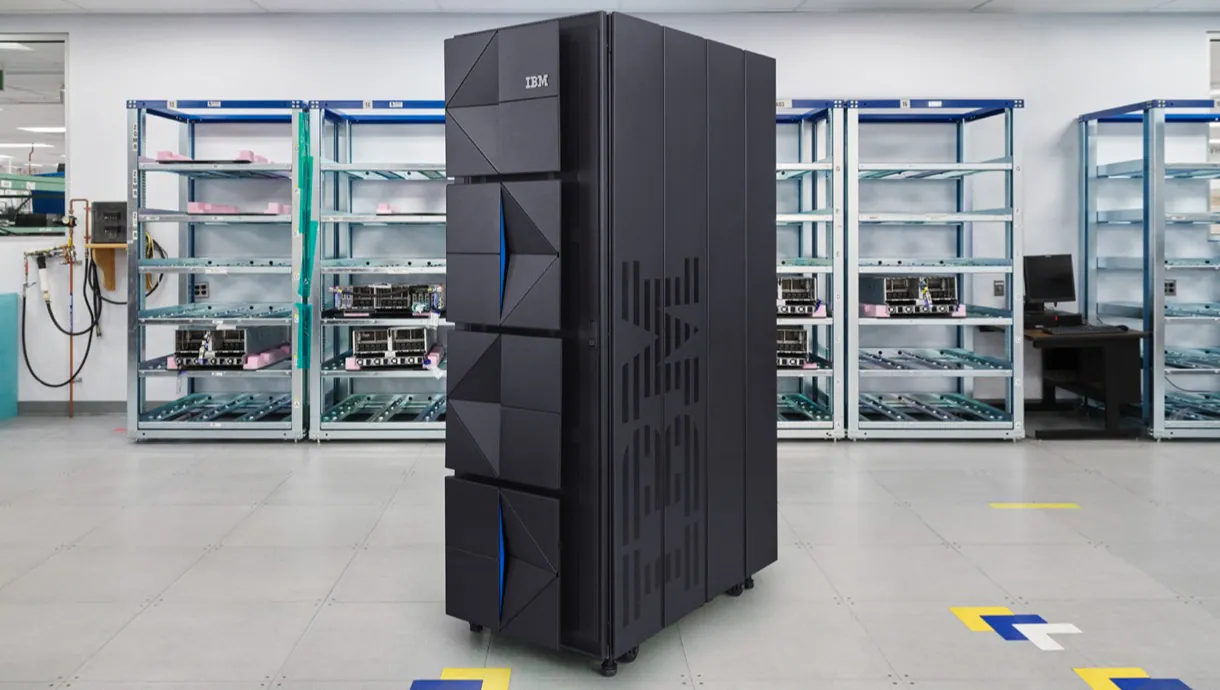
The term “Mainframe” conjures images of huge, refrigerator-sized computers from a bygone era. But, some distance from being a relic of the 20th century, the cutting-edge mainframe—epitomised through the IBM Z-collection (formerly device/360, machine/390, and z/structure)—remains the critical, silent engine powering the significant majority of the global financial system. Those machines manage transactions, procedure facts, and execute operations with a level of reliability, protection, and scalability that even the maximum advanced distributed server farms cannot match.
The persistence of the mainframe is not a result of technological inertia; it’s a testimony to its non-stop evolution and its advanced abilities in mission-critical environments.
The Foundation of Reliability: Why the Mainframe Endures
The primary cause mainframes nevertheless take care of over $ eighty of the arena’s business data, specifically in finance and banking, is their mythical functionality for RAS (Reliability, Availability, and Serviceability). They have been engineered from the ground up for zero downtime.
- Redundancy and Fault Tolerance: Mainframes perform with a stage of redundancy unmatched by standard server infrastructure. almost every element—from processors and reminiscence to cooling systems and strength substances—is duplicated and hot-swappable. If a middle fails, every other takes over instantly and mechanically, without interrupting the walking utility.
- Vertical Scalability: not like horizontal scaling (including greater servers), mainframes excel at vertical scaling (adding extra potential inside a single machine). they can handle huge surges in transaction quantity, including top excursion shopping or quit-of-region financial processing, within a unmarried logical partition.
- High transaction rate: Mainframes are constructed to procedure hundreds of thousands of transactions per 2nd (MIPS or millions of commands consistent with second), crucial for high-frequency buying and selling, ATM networks, and airline reservation systems in which speed and accuracy are non-negotiable.
Security: The Mainframe’s Unmatched Fortress
In an era defined by constant cyber threats, the mainframe provides a protective environment advanced to almost any distributed device. IBM has incorporated security directly into the hardware, creating a gadget that is fundamentally tamper-resistant.
- Pervasive Encryption: contemporary z-collection mainframes can encrypt $a hundred%$ of application information and facts in flight without impacting performance. that is carried out through devoted cryptographic coprocessors embedded in the silicon, casting off the encryption burden from the primary CPU.
- Tamper-proof hardware: The mainframe’s architecture is built around especially impenetrable cryptographic modules that protect sensitive keys and algorithms. These systems are tamper-evident and designed to wipe their contents if a bodily breach is detected.
- operating gadget Integrity: The mainframe running system (z/OS) is designed with rigorous internal integrity exams, making it enormously difficult for external malware or internal device failures to compromise the core working environment.
The Modern Mainframe: Integration, Not Isolation
The concept that mainframes are proprietary bins isolated from the rest of the IT global is outdated. Current mainframes are not just survivors; they’re adaptable integration hubs.
- Hybrid Cloud Integration: IBM has closely invested in making the Z-series a central aspect of hybrid cloud strategies. They seamlessly hook up with public cloud vendors (like AWS and Azure) and personal cloud infrastructure, permitting data and programs to be securely exchanged.
- Linux and Open supply: trendy mainframes run not just the proprietary z/OS, but also lots of instances of Linux concurrently on a single physical gadget. This permits companies to host open-source technology, run boxes (like Docker and Kubernetes), and deploy cutting-edge Java applications without delay alongside traditional enterprise-critical workloads.
- Language Versatility: even as COBOL stays the language of choice for lots legacy enterprise applications, cutting-edge mainframe environments fully support Python, Java, Node.js, and other modern-day languages, permitting a new generation of builders to construct interfaces and applications that make use of the mainframe’s enormous data shops.
The Economic Imperative: Consolidation and Efficiency
Beyond generation, the economic case for the mainframe is compelling, particularly for large establishments.
- price performance (TCO): while the preliminary hardware buy is widespread, the entire cost of ownership (TCO) over time is frequently lower than maintaining large, allotted server farms. A single mainframe can logically partition and manage the workload equivalent of thousands of x86 servers, notably decreasing licensing fees, energy intake, and bodily ground area.
- The ability gap and COBOL: one of the maximum persistent challenges is the ageing workforce specialising in COBOL and z/OS. But, this assignment is now being met with modern-day gear, computerised conversion services, and specific training programs aimed toward integrating the mainframe into standard DevOps and agile development workflows.
Conclusion
The mainframe isn’t merely a legacy era clinging to lifestyles; it’s miles a hyper-resilient, continuously evolving computing platform optimised for the needs of the 21st-century international economic system. Its superior security, remarkable reliability, and newly observed potential to integrate seamlessly with the current hybrid cloud and open-source ecosystems make certain its continued centrality. The IBM Z-series remains the quiet powerhouse, managing the sector’s most necessary financial and commercial transactions—a true pillar of modern commerce that suggests no signal of yielding its area.