
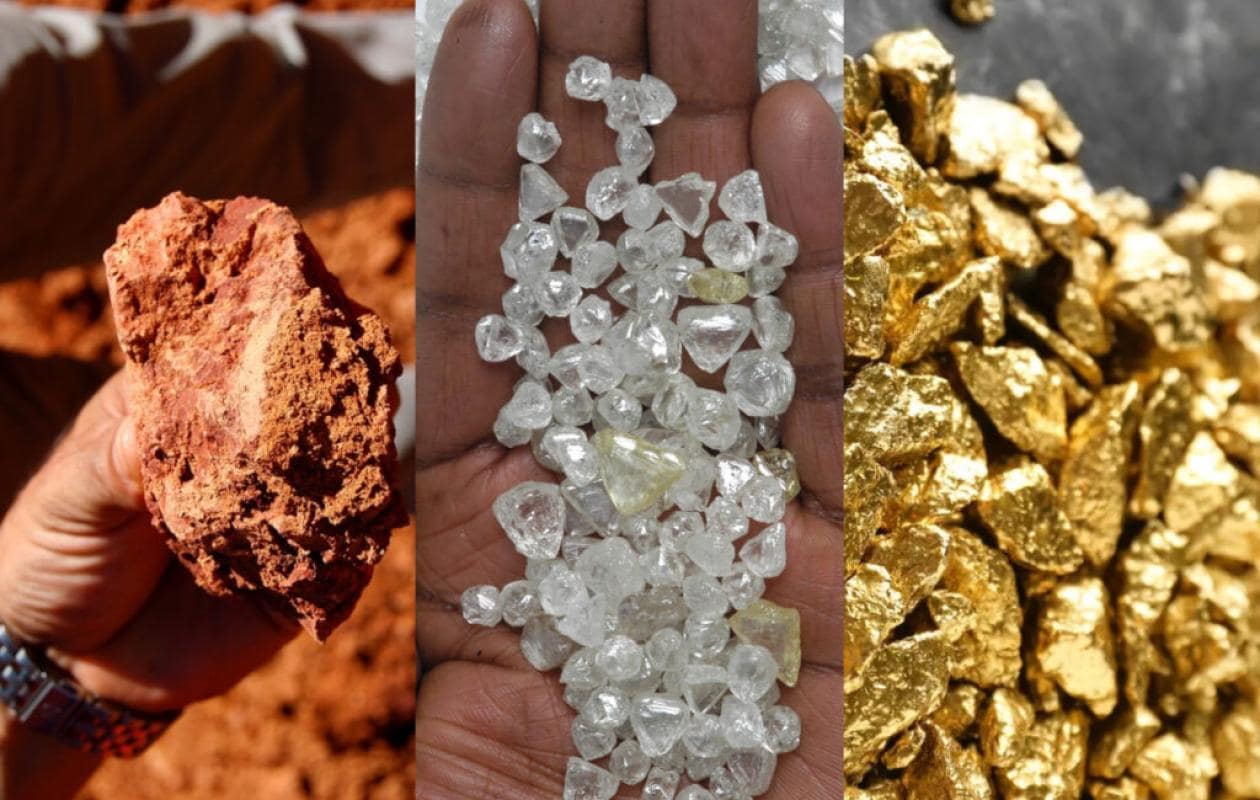
The Republic of Guinea, a coastal kingdom in West Africa, possesses a geological bounty so big that it is often referred to as a “geological scandal.” Underneath its soil lies one of the global’s biggest concentrations of mineral deposits, imparting a possibility for transformational monetary growth. But, this brilliant mineral wealth—mainly bauxite, iron ore, and gold—exists in a precarious balance with the US’s sensitive ecosystems and the desires of its people. The central challenge for Guinea is the way to leverage this great wealth for sustainable countrywide improvement, even while concurrently shielding its vital natural surroundings from irreversible damage.
The Scale of Guinea’s Geological Bounty
Guinea holds an exquisite portfolio of high-cost minerals, which are critical for the worldwide economic system:
- Bauxite: Guinea is domestic to an estimated one-1/3 of the world’s bauxite reserves, the primary ore used to provide aluminum. The high-quality of Guinean bauxite is drastically high, making it exceptionally suitable for processing. This dominant role inside the bauxite marketplace gives Guinea giant leverage, driving its popularity as a primary global supplier.
- Iron Ore: The Simandou mountain variety incorporates one of the most important and high-grade undeveloped iron ore deposits globally. Growing this web page calls for enormous infrastructure funding—such as masses of kilometers of railways and a deep-water port—but holds the promise of turning Guinea into a powerhouse for metallic production entry.
- Gold and Diamonds: large deposits of gold and diamonds are mined both industrially and artisanally throughout the country, imparting significant revenue streams and employment, even though often posing distinct regulatory and environmental demanding situations due to their decentralized nature.
This uncooked capability capacity mining debts for a great part of Guinea’s exports, serving as the principal engine for any meaningful GDP boom.
The Promise of Development: Economic Leverage
For a country in which a huge part of the population nevertheless lives in poverty, the mineral zone gives a crucial pathway out. The promise of mineral wealth is multifaceted:
- monetary revenue: massive-scale mining operations provide high income through royalties, taxes, and expenses. properly controlled, those sales can fund imperative public services, such as healthcare, schooling, and social protection nets.
- Infrastructure investment: The sheer necessity of transporting bulk minerals often forces agencies to put money into the most important infrastructure initiatives. The development of the Simandou iron ore task, for instance, is inherently connected to building a transnational railway and port, infrastructure that can benefit the wider economy and population.
- Employment and capabilities transfer: Mining businesses create lots of direct and indirect jobs. Whilst coupled with rigorous local content requirements and technical education, the world can foster a professional home team of workers, leading to higher wages and expert improvement.
In essence, mineral extraction is considered by many policymakers because the fundamental gas to propel Guinea into a new era of stability and prosperity.
The Environmental and Social Price Tag
The speedy expansion of mining, specifically bauxite extraction, which often includes floor strip mining, contains extreme environmental consequences that threaten Guinea’s lengthy-time period sustainability.
One of the country’s maximum imperative environmental roles is its designation as the “Water Tower of West Africa.” The Fouta Djallon highlands are the source of some of West Africa’s largest rivers, along with the Senegal, Gambia, and Niger rivers. Mining operations in this area directly threaten those water resources through:
- Water pollution: Chemical runoff, sediment erosion, and toxic residue from processing can contaminate rivers and groundwater, impacting downstream communities and ecosystems throughout the borders.
- Habitat Loss and Deforestation: Bauxite mining requires the elimination of great tracts of forest and topsoil, leading to irreversible habitat destruction and biodiversity loss. Guinea is domestic to important ecological zones, inclusive of chimpanzee habitats, that are increasingly fragmented through mining concessions.
- dirt pollution: The transportation and handling of bauxite ore launch excessive ranges of particulate count into the air, causing breathing illnesses in close by groups and unfavorable plants.
Beyond the environmental toll, the mining increase creates massive social and governance challenges. problems encompass:
- Land Disputes and Displacement: local groups, whose livelihoods depend on agriculture and have access to water, are regularly displaced or face land loss with insufficient compensation, fueling social unrest and battle.
- Corruption and lack of Transparency: A vulnerable regulatory environment and pervasive corruption often imply that the monetary advantages of mining do not trickle down to the neighborhood population. This failure to thoroughly percentage the wealth erodes public faith and undermines the legitimacy of the authorities’ mining agreements.
The Critical Balancing Act: Governance and Sustainability
To recognize the promise of its mineral wealth, barring destroying its natural and social capital, Guinea has to transition from a volume-based, totally extraction model to a cost-based, sustainable improvement version. This requires a big strengthening of governance and a dedication to international quality practices.
- 1. Strengthening Governance and Transparency: Guinea has to enforce strict mining codes and take part completely in projects like the Extractive Industries Transparency Initiative (EITI). Transparency in contracting, revenue reporting, and price range allocation is crucial to make sure funds are channeled into priority development sectors.
- Local Processing and price Addition: rather than sincerely exporting raw bauxite, Guinea should encourage funding in nearby refining (alumina manufacturing). Processing bauxite locally creates higher-priced merchandise, generates significantly extra employment, and reduces the risk related to fluctuating commodity costs.
- Robust Environmental Oversight: Environmental impact tests (EIAs) should be mandatory, independent, and strictly enforced. Mining corporations should be held accountable for rigorous land reclamation plans, water management protocols, and biodiversity offset packages. growing a well-funded, independent environmental safety organisation is integral for policing the world.
- . Network benefit Sharing: Agreements with mining organizations ought to consist of clean, legally binding provisions for network development finances, infrastructure investments, and local employment targets, ensuring that the wealth directly blessings the communities that undergo the environmental burden.
Conclusion
Guinea stands at a crossroads. Its great mineral wealth offers a completely unique, likely generational, possibility to lift its humans out of poverty and set up a strong country-wide economy. But the present-day trajectory, ruled by way of fast, large-scale bauxite extraction, risks sacrificing imperative water sources, indispensable ecosystems, and community stability for short-term profits. The a hit harnessing of this wealth relies no longer on the extent of minerals extracted, but on the high-quality of governance carried out in the sector. Only via stringent environmental safety, radical transparency, and a commitment to neighborhood fee addition can Guinea reap the delicate and essential stability needed to rework its geological endowment into sustainable countrywide prosperity.