
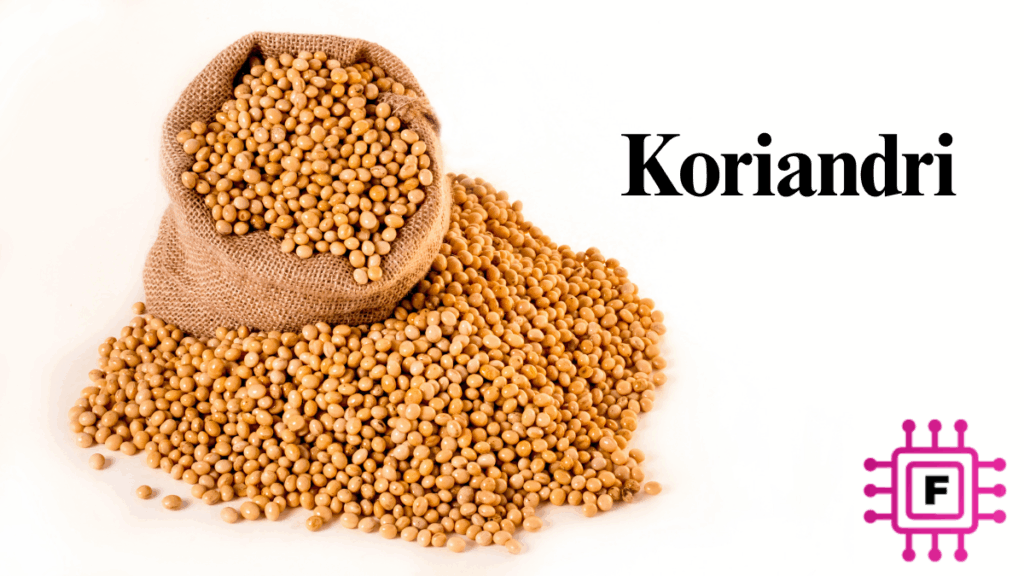
The time period Koriandri is an immediate and familiar reference in several languages, particularly Finnish and Estonian, to the plant known globally as Coriander (Coriandrum sativum). This simple linguistic variation factors to one of the most culturally rich and geographically extensive herbs in human history. Whether its sparkling leaves are called cilantro (predominantly within the Americas), Chinese parsley, or absolutely Koriandri (a close version of Koriander), this plant is a complex culinary ingredient, a historical medicinal treatment, and a topic of severe genetic debate because of its polarizing flavor profile.
This newsletter dives into the rich, multifaceted existence of the herb referred to as Koriandri, analyzing its twin identity as each leaf and seed, its ancient origins, and the captivating genetic rift it creates amongst human beings.
A Plant with Dual Identity: Leaf vs. Seed
The Koriandri plant is specific in that its leaves and its seeds are treated as two absolutely one-of-a-kind spices, boasting wonderful nutritional profiles, flavors, and applications—a duality that few other herbs percentage as absolutely.
The clean Leaf (Cilantro/Koriandri)
In the kitchen, the sparkling, brilliant inexperienced leaves and sensitive stems of Koriandri are valued for his or her strong, feature scent and a taste often defined as sparkling, barely citrusy, and refreshing.
- worldwide delicacies: The leaves are crucial in Mexican delicacies (salsa, guacamole), Southeast Asian dishes (Pho, curries), and the various flavors of India, the Middle East, and South the us. They’re nearly constantly brought sparkling on the end of cooking or used as a garnish to keep their volatile oils.
- Northern Europe: even as traditional Finnish and Baltic cuisine, wherein the time period Koriandri is commonplace, is predicated more on caraway or dill, the growing globalization of meals has visible the clean herb enter Northern European pantries, primarily for international dishes.
The Dried Seed (Coriander Seed)
The fruit of the Koriandri plant, once dried, transforms into the familiar, small, globular coriander seeds. When crushed or ground, they emit a flavor profile that is warm, earthy, sweet, and nutty, often with a hint of citrus or musk. This flavor is the complete opposite of the fresh leaf.
- Ancient Use: The dried seeds are one of the world’s oldest known spices, with evidence of their use dating back to ancient Greece and the tombs of Egyptian pharaohs. The Romans used them extensively, even for preserving meat.
- Culinary Backbone: The seeds are essential components in spice blends like curry powder and garam masala. In Northern Europe, particularly in traditional contexts, the seed is the more commonly used form, featuring in rye bread (Borodino bread), cookies, biscuits, marinades, and certain meat preparations. They are also highly prized for their role in brewing specific styles of beer.
The Genetic Rift: Soap, Citrus, and OR6A2
Possibly the most well-known cultural phenomenon surrounding Koriandri is its polarizing flavor. For a huge portion of the global population (studies suggest fees vary wildly, from three inside the Middle East to over 20% in East Asia), the sparkling leaf does not flavor citrusy or sparkling; it tastes intensely soapy, smelly, or metallic.
This sensory divide is a charming case of pharmacogenetics. Research has strongly related the understanding of a soapy flavor to the presence of a selected cluster of olfactory receptor genes, most prominently the OR6A2 gene. This gene is sensitive to the aldehyde compounds gift inside the fresh herb’s volatile oils. These equal aldehydes are often found in the chemical composition of soaps and cleansing products, explaining the perceived similarity.
This genetic distinction illustrates that the desire for, or aversion to, Koriandri is not an easy rely of culinary preference but an imperative difference in how individuals understand the world, making the herb a famous cultural touchstone for discussing human sensory variety.
Koriandri: An Herb of Antiquity and Medicine
The significance of Koriandri extends far past taste. Its use as a medicinal and fragrant agent dates returned over 3,000 years, establishing it as a pillar of traditional medical structures globally.
traditional uses: In Ayurvedic and traditional Chinese medicine, Coriandrum (both leaf and seed) was used to treat a wide array of illnesses, which include digestive problems (carminative houses), rheumatism, and tension. The seeds are nonetheless consumed to resource digestion by means of stimulating the secretion of digestive juices.
Current research: modern studies help many of these ancient claims, noting that both the seeds and leaves are rich in antioxidants, consisting of linalool, which possesses anti-inflammatory and antibacterial properties. The excessive diet A, C, and ok content of the sparkling leaves additionally cements their position as a powerful, purposeful food ingredient.
The historical and sustained trust in the therapeutic blessings of Koriandri highlights its enduring position in human health and well-being, cementing its reputation no longer just as a seasoning but as a crucial cultural detail shared throughout disparate civilizations.
whether or not it’s far the Koriandri seeds flavoring a hearty Northern european bread, the cilantro leaves brightening a vibrant Mexican salsa, or the historic coriander seed soothing a bothered stomach, this single plant, Coriandrum sativum, embodies an extraordinary combination of culinary polarization, genetic technological know-how, and ancient continuity, making it one of the most compelling herbs on the planet.