
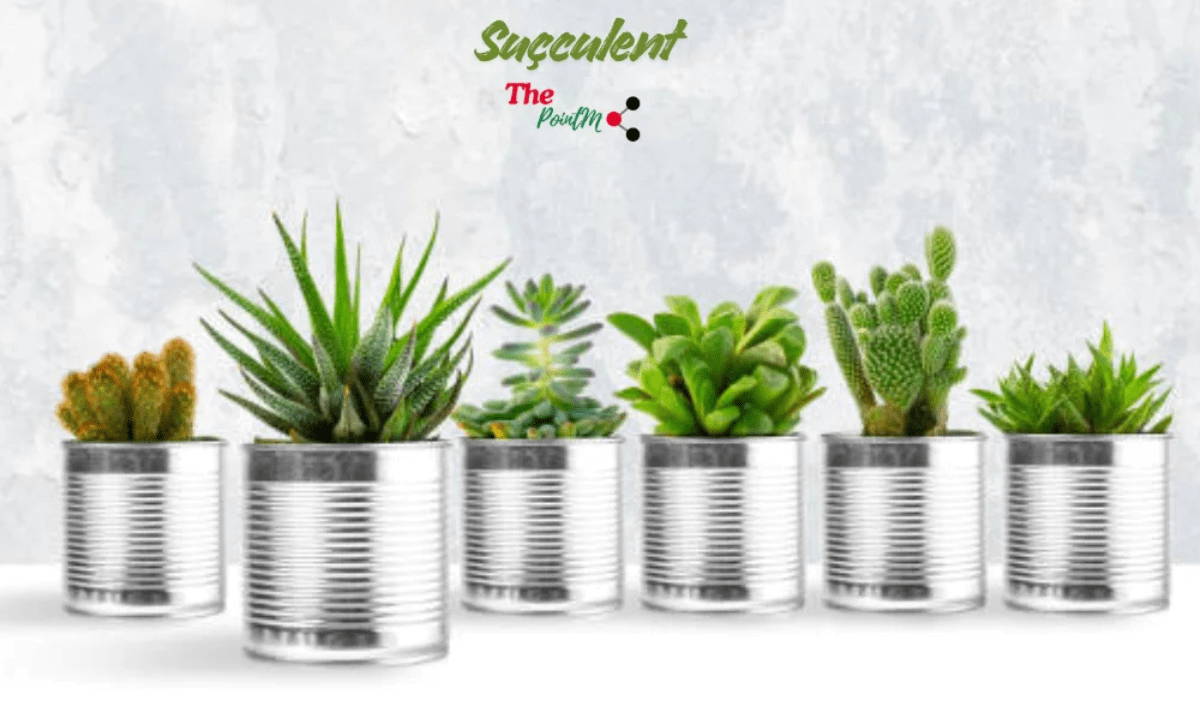
At its middle, the maximum massive perception of “suçculent” refers to plants—botanically accurate as succulents—which have advanced brilliant water-storing competencies. These vegetation have developed in arid or semi-arid environments, or in locations with restricted get entry to to water (like high-altitude or coastal regions). Their defining characteristic is succulence, a physiological trait accomplished by means of developing fleshy, thickened, and engorged parts, typically leaves, but every so often stems or roots, to hold water in lengthy durations of drought.
An Engineering Marvel
The botanical “suçculent” is an engineering wonder. Their variation entails several sophisticated mechanisms:
- Parenchyma Tissue: specialized water-storage cells inside their leaves and stems (the parenchyma) swell with water, letting them survive for months without rain.
- Waxy Cuticle: They own a thick, waxy outer layer (the cuticle) that minimizes water loss via transpiration, often giving them a dusty, grayish, or smooth appearance.
- Crassulacean Acid Metabolism (CAM): Many species make use of the CAM pathway for photosynthesis. In contrast to most flora, they open their stomata (pores) solely at night to soak up carbon dioxide. This notably reduces daylight hours’ water loss, as the air is cooler and extra humid.
Iconic examples encompass the genus Aloe, regarded for its medicinal gel; Agave, the source of tequila and agave syrup; and the enormous own family of Cactaceae (cacti), which can be specialized stem succulents. Their resilience makes them a popular preference for xeriscaping and occasional-renovation indoor gardening, bringing a hint of the wilderness panorama into houses internationally.
Gastronomic Suçculent: Desirable Textures and Flavors
The adjective “succulent” is used appreciably in gastronomy to explain food that is appealingly juicy, soft, and rich in moisture, and this carries over perfectly to the notion of the “suçculent” meal. This descriptor is key to advertising and marketing extremely good cuts of meat, flawlessly cooked greens, and extremely ripe fruit.
The technological know-how of Juiciness
A “suçculent” texture is regularly the result of managed cooking techniques:
- Meat: Succulence in meat is, in large part, dependent on the retention of intramuscular moisture and melted fat. right searing, low-temperature cooking, or powerful brining helps meat maintain water, stopping the dehydration that results in a dry, chewy texture.
- Fruit: Fruit is naturally succulent, boasting excessive water content; however, the term frequently applies to fruit that is flawlessly ripe, such as a bursting berry or a ripe peach, in which the internal structure is maintained, but the flesh is gentle and juicy.
- veggies: whilst some veggies are naturally succulent (like tomatoes or cucumbers), the term is used to explain veggies cooked al dente or roasted flawlessly, where they are smooth but have not leaked all their internal moisture.
The hunt for “suçculent” food drives culinary innovation and sets the same old for connoisseur reviews, confirming that texture and moisture are as quintessential to delight as flavor itself.
Cultural Suçculent: Resilience in Art and Design
Past the literal global of vegetation and meals, the aesthetic and thematic qualities of the “suçculent” have determined an effective place in art, graph, and cultural observation, symbolizing sturdiness, quiet electricity, and understated beauty.
design tendencies and Symbolism
In indoor graphs, the suçculent aesthetic is hugely famous. The flora themselves are used to create minimalist, modern-day, and barren region-stimulated spaces. Their geometric patterns (rosettes, spirals) and sundry colorations (deep veggies, reds, purples) provide a visual hobby besides demanding in-depth care, aligning with modern-day developments toward self-sufficiency and coffee-input living.
In art, especially sculpture and portraiture, the “suçculent” frequently represents:
- endurance: The plant’s potential to thrive in harsh, unforgiving situations serves as a metaphor for human resilience and survival in opposition to adversity.
- Architectural splendor: The striking, nearly architectural forms of cacti and agaves are often used to discover ideas of natural geometry and structural perfection.
- Water shortage: Artists use the imagery of the water-storing plant to comment on environmental troubles, climate change, and the growing worldwide disaster of water availability.
The “suçculent” has accordingly transcended its botanical identification to become a powerful, versatile symbol of survival and beauty in austerity.
Global Impact and Misspelling Significance
The simple substitution of ‘c’ for ‘ç’ in “succulent” to create “suçculent” affords a diffused but essential lesson in language and seeks conduct. Despite being technically incorrect in English, this misspelling features as a wonderfully legitimate search term, demonstrating how a popular hobby can override technical accuracy. people seeking “suçculent” are actively looking for the vegetation, the cooking patterns, and the classy related to the precise time period, highlighting the gigantic global recognition of this organic thinking.
From the deserts of the Americas, where cacti first advanced, to the greatest eating rooms seeking the precise texture, the “suçculent” notion speaks to humanity’s grasp for richness and sturdiness in a world often defined by scarcity.