
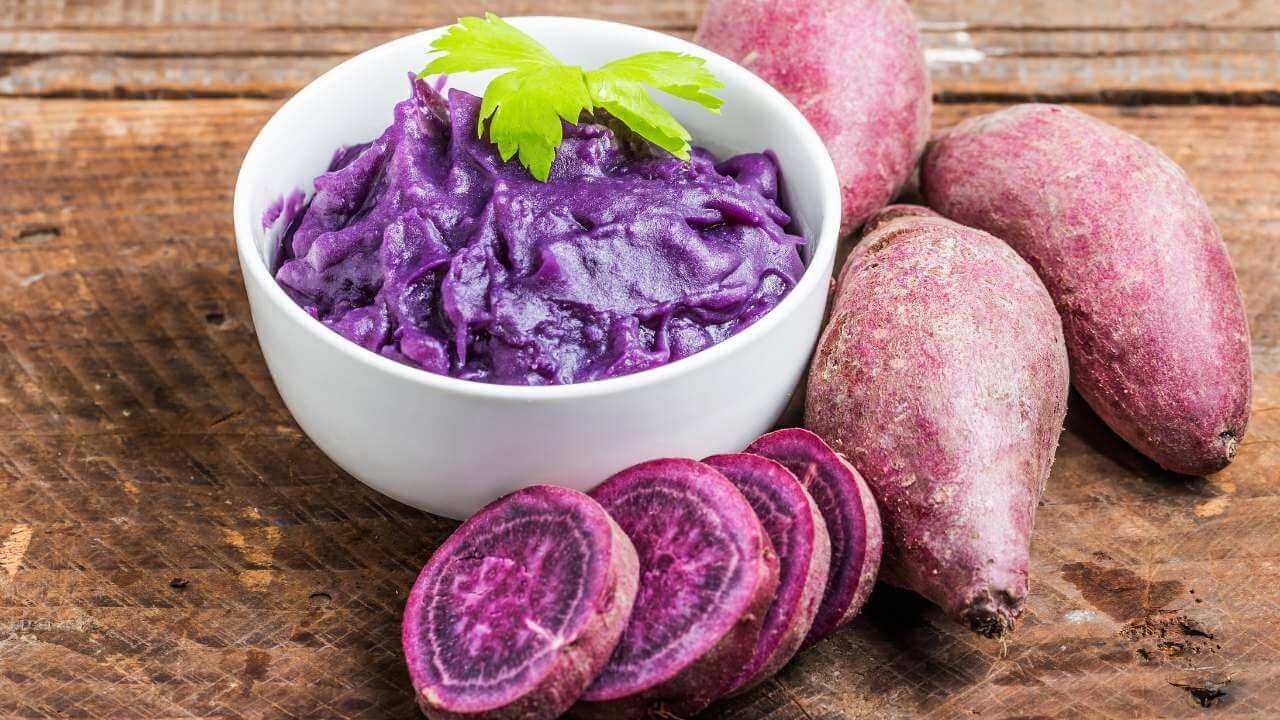
Ube (suggested “oo-beh”) has surged from being a foundational staple in Filipino delicacies to a worldwide culinary phenomenon, captivating cooks and food fanatics with its violet hue. Yet, for those encountering it for the primary time, describing the taste of this purple yam (Dioscorea alata) may be a nice venture. It isn’t always a unique taste but a complex profile; this is concurrently acquainted and special, bridging the gap between a mellow root vegetable and an advanced dessert factor. To in reality apprehend what ube tastes like, one has to respect its multi-layered profile, its texture, and the way conventional guidance strategies enhance its herbal traits.
I. The Core Flavor Profile: Sweetness Meets Earthiness
At its basis, ube delivers a mildly sweet flavor which is gentle and never cloying, distinguishing it from the regularly intensely saccharine flavor of especially processed ingredients. This sweetness is naturally balanced through a distinguished earthy undertone, which acts as a grounding taste paying homage to a notable sweet potato or a freshly dug tuber. This earthiness reminds the palate that ube is, at its coronary heart, a root vegetable.
The complexity of ube can be broken down into three primary, interwoven notes:
- The Nutty dimension: Many tasters stumble on a wonderful nutty flavor, regularly as compared to roasted chestnuts, almonds, or even a whisper of pistachio. This nuttiness presents depth and richness that lets in ube to rise well towards heavy dairy substances like cream and butter, making it a perfect base for ice cream and rich pastries.
- The Vanilla-Floral trace: perhaps the maximum intriguing and cherished component of ube’s taste is the subtle, vanilla-like aroma and flavor. This is not the result of added vanilla extract in conventional preparations like ube halaya (ube jam), but instead from natural vanillin precursors in the yam itself, which intensify and broaden whilst the ube is cooked. This delicate, floral sweetness is what transforms the starchy tuber into an especially sought-after dessert aspect.
- The Creamy, Coconut Echo: whilst some characteristic a coconut flavor to ube, this is usually an outcome of its traditional training. Ube is almost continually cooked with coconut milk or condensed milk in Filipino delicacies, which significantly complements its taste and provides a signature coconut-like aroma and a rich, creamy texture. even when the coconut is absent, ube retains a “milky” or “buttery-candy” satisfactory that pairs easily with dairy.
II. The Essential Role of Texture
Flavor and texture are inseparable in the ube experience. Whilst boiled, peeled, and mashed, real ube is far less starchy and dry than most candy potatoes. Instead, it possesses an excessive moisture content that lends it an exceedingly smooth, velvety, and dense texture.
This creaminess is critical to its achievement in popular cakes:
- Ube Halaya: The traditional jam is cooked down into a thick, sticky, and rich paste.
- Ube Ice Cream: not like some ice lotions made from starchier roots, ube presents a clearly creamy mouthfeel, barring turning into grainy or icy, permitting the diffused vanilla and nutty notes to linger on the palate.
The texture provides the proper car for the taste—a costly foundation that forestalls the sweetness from turning into sharp or skinny.
III. Distinguishing Ube from Its Purple Cousins
The confusion surrounding ube’s flavor frequently stems from its visual similarity to two other tubers: Taro and the Okinawan purple sweet Potato. Understanding the variations clarifies ube’s specific standing:
| Tuber | Color | Texture | Primary Flavor Profile | Culinary Use |
| Ube (pink Yam) | Deep, colourful violet | Clean, wet, velvety | Mildly candy, vanilla, nutty, earthy | Mainly desserts (ice cream, cake, jam) |
| Taro | White flesh with purple specks | Starchy, mealy, drier | Neutral, earthy, subtly sweet | Primarily savory dishes, or milky drinks (boba) |
| Purple sweet Potato | Deep crimson to fuchsia | Denser, drier, more fibrous | Intensely sweet, very earthy, frequently caramel-like | Baking, savory facets, frequently confused with Ube |
The Okinawan sweet potato offers a large, better, extra said sweetness and a drier texture, at the same time as taro is much extra neutral and starchy. Ube occupies the candy spot: the coloration and earthiness of a root vegetable, blended with the sensitive sweetness and creamy texture of a top-class dessert ingredient.
IV. Culinary Applications and Global Appeal
Ube’s complicated taste profile makes it remarkably flexible, even though it is high-quality, recognized for its sweet applications in which its diffused notes can without a doubt shine.
- cakes: The conventional uses, together with ube halaya, cakes, crinkle cookies, and lattes, are designed to enhance its vanilla and nutty properties by pairing it with coconut, condensed milk, or cream cheese.
- Pairings: chefs find that ube pairs superbly with flavors that both complement its earthiness or amplify its diffused sweetness, along with white chocolate, coconut, almond, or even a hint of salt (which historically balances the wonder).
In its purest shape, unmixed ube is an earthy, barely starchy vegetable with moderate sweetness. However, within the shape, the sector has come to like—cooked, mashed, and sweetened—ube tastes like a sophisticated mixture of natural vanilla and roasted chestnut, wrapped in a creamy, crimson velvet blanket. It’s far a flavor this is more than the sum of its elements, supplying a nuanced and deeply gratifying culinary experience