
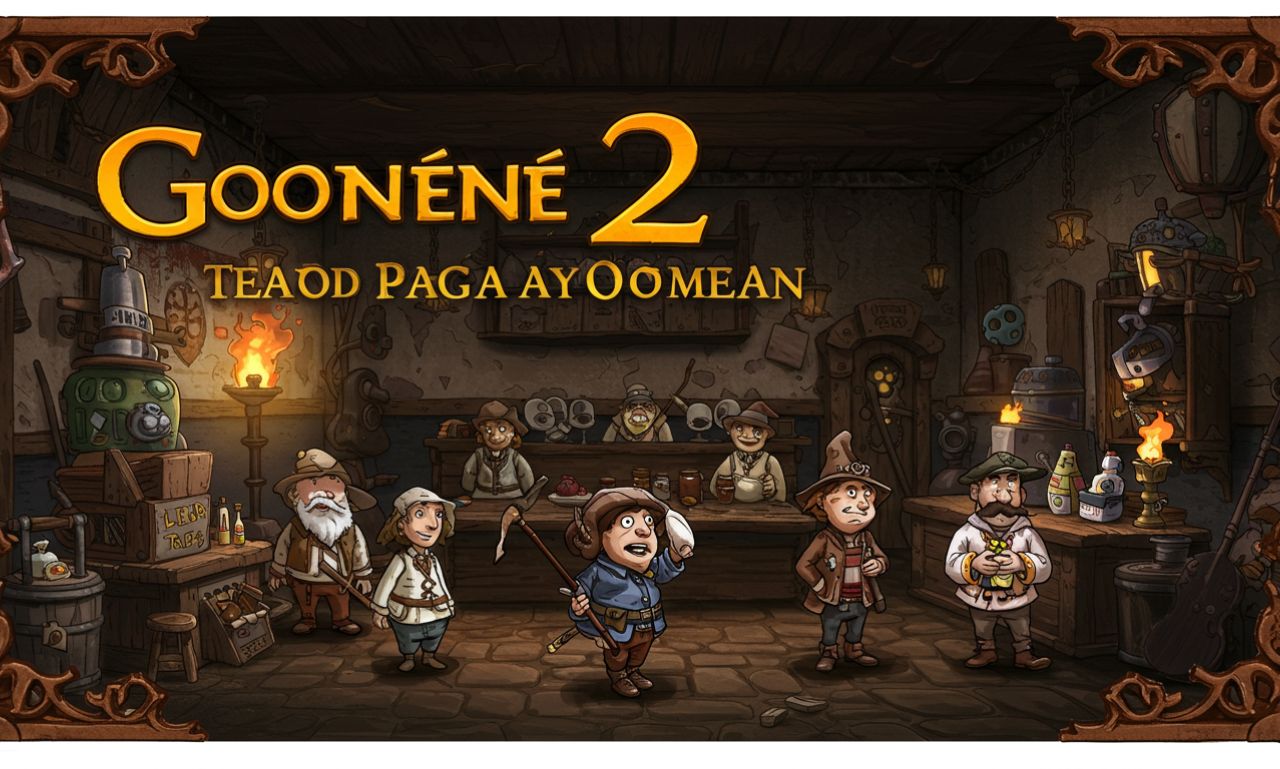
The presence of the numeral “two” indicates that the originator of the hunt or query was looking for the second installment of something named “Goonierne.” This immediate implication factors toward the giant, regularly mistaken, panorama of digital files, media databases, and seek engine capability.
The search for Continuity
The look for a “component 2” assumes the lifestyles of an “element 1.” While a user searches for a sequel, the use of a misspelled or corrupted identity results in encountering a digital dead end. This scenario highlights vital problems in how data is stored and retrieved:
- The Fragility of Naming Conventions: A large percentage of net content material is predicated on unique identifiers (titles, usernames, filenames). A small error like “Goonierne” instead of a hypothetical “Goonerville” can render a whole frame of labor inaccessible.
- The endurance of memory Gaps: The look for “Goonierne two” is a try to close a memory gap—the user recalls the idea and the collection, but no longer an appropriate, correct name. This is a common structure of the “tip-of-the-tongue” phenomenon translated into the virtual seek bar.
- The weight on Retrieval structures: sophisticated search algorithms ought to be designed to expect and accurately identify these complicated typographical and phonetic errors. The more vague the unique term, the less probable the gadget is to bridge the space between “Goonierne 2” and its intended goal, leading to archival frustration.
In this context, Goonierne Two is a cipher for the mission of gaining access to unique, sequestered information in an age of overwhelming digital output.
Sequel Culture: The Tyranny of the Number Two
In modern media—from video games to cinema to literary sagas—the range “two” isn’t just a series marker; it incorporates substantial cultural and creative weight. The look for “Goonierne 2” is an unwitting comment on the dominant role sequels play in media intake and manufacturing.
expectancies and Subversion
The sequel, inherently, raises precise expectations:
- Narrative expansion: It guarantees a continuation of the original story, increasing the world and the lore mounted in “element 1.”
- innovative new release: It implies improvement or refinement, fixing the flaws of its predecessor even as constructing upon its strengths (e.g., The Empire Strikes Back, Terminator 2).
- Capital investment: The sequel is a guarantee of industrial rationale, leveraging the fulfillment of the primary belongings for extra profit.
The disappointment experienced by the person looking for the nonexistent “Goonierne 2” stems from the interruption of this expected series. They are searching for a guaranteed emotional and narrative continuation that the modern virtual panorama is denying them, turning the hunt into a small, non-public second of cognitive dissonance within the lifestyle of infinite content.
Creative Interpretation: World-Building through a Typo
Assuming an appropriate term was something that references an area (e.g., “Gooney’s Nest,” “Governor’s Lane,” or an overseas phrase), “Goonierne 2” can be interpreted as a foundational element of speculative world-building.
The power of the obscure name
In this imaginative area, “Goonierne” might be:
- A Fictional region: perhaps a post-apocalyptic agreement, a distant planet, or a haunted residence, wherein part 2 promises a revisit or a deeper dive into the lore.
- An individual Arc: The title may tune the second principal degree in a protagonist’s existence, or the reappearance of an antagonist.
- An Institutional name: inclusive of the Goonierne Institute for superior studies, wherein “element 2” details a second foremost discovery or scandal.
by means of reading the shape of the typo—the challenging ‘G’, the double ‘O’ or ‘E’ sounds, and the final ‘rne’—we will speculate at the unique phonetic intention (perhaps some thing of Germanic, Slavic, or Nordic foundation) and respect the human preference to categorize and comply with narrative threads, even if misremembered.
The search for Goonierne 2 ultimately illuminates the intersection of generation, human reminiscence failure, and our deep, abiding cultural need for tale continuity and archival completeness. It’s a far more effective conceptual key to appreciating the demanding situations of fact retrieval in the age of endless information.