
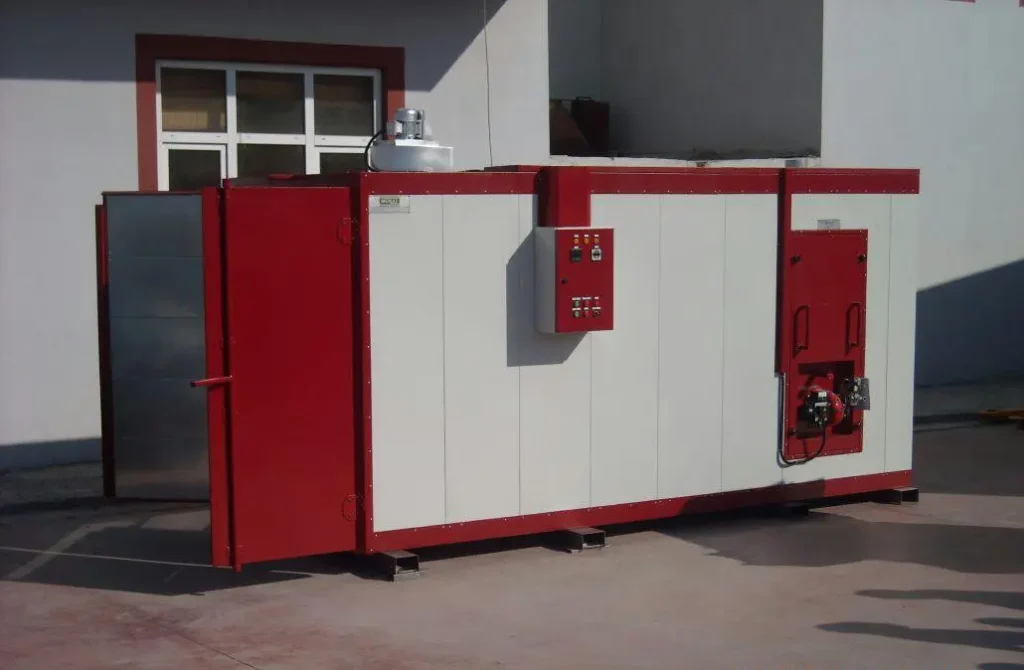
Pressure builds quietly in finishing operations long before a buying decision hits the table. Small inefficiencies stack up, quality slips become harder to explain, and schedules tighten without warning. Knowing when those signals point toward a powder coating oven for sale helps teams act before problems turn expensive.
When Current Ovens Can’t Hold Temperature Steady
Temperature stability is the backbone of a durable powder finish. Older ovens often drift during heat-up or fluctuate once loaded, especially when insulation degrades or burners age. Even minor swings can lead to undercured coatings that look fine at first but fail early in the field.
Modern industrial powder coating oven designs use tighter airflow control and improved heat distribution. Upgrading at this stage is less about replacing old steel and more about restoring confidence in every cure cycle. Many operations find that newer powder coating ovens deliver consistency that legacy units can no longer maintain.
If Reject Rates Climb Past Normal Thresholds
Rejects rarely spike overnight; they creep upward job by job. Orange peel, poor adhesion, or uneven gloss often trace back to inconsistent curing rather than application errors. Once rejects pass acceptable limits, the cost shows up in labor, materials, and missed delivery windows.
At that point, investing in updated powder coating equipment for sale becomes a quality decision, not just a capital one. Newer powder coating systems are engineered to hold tighter tolerances, reducing finish variability across batches. Lower reject rates quickly offset the cost of upgraded curing capability.
When Production Volumes Start Outgrowing Capacity
Growth is a good problem, but it exposes weak points fast. An oven sized for yesterday’s volume becomes a bottleneck when order counts rise. Longer queues, overtime shifts, and rushed loads follow soon after.
A larger or more efficient powder coating oven for sale can restore balance without overhauling the entire line. Many facilities choose a powder coating equipment package that increases throughput while fitting existing floor layouts. This approach supports growth without forcing a full system redesign.
If Energy Costs Bite Harder Each Month
Energy bills often reveal inefficiencies before maintenance logs do. Older ovens lose heat through worn seals, thin insulation, and outdated burners. That wasted energy shows up as rising utility costs with no increase in output. New powder coating ovens are designed with energy efficiency in mind. Improved insulation, smarter controls, and optimized airflow reduce heat loss during operation. Over time, lower energy consumption makes upgraded powder coating equipment a practical response to rising operating costs.
When Manual Curing Slows Down Every Shift
Manual processes introduce variability and slowdowns that automation solves. Hand-timed cures depend on operator judgment, which varies by shift and workload. Missed timing leads to rework or scrap, while cautious timing reduces throughput. Automated curing with a modern industrial powder coating oven removes guesswork. Programmable controls ensure every part receives the same cure profile, regardless of who is running the line. This consistency improves both speed and finish reliability across shifts.
If Customers Demand Tighter Finish Consistency
Customer expectations continue to rise, especially in industries where coatings protect against corrosion or wear. Inconsistent finishes can damage trust even if parts technically meet specifications. Visual uniformity and performance consistency matter more than ever.
Upgrading powder coating systems allows finishers to meet tighter standards without constant adjustment. Advanced ovens maintain uniform heat across varying load sizes, supporting consistent results. Meeting customer demands becomes easier when curing performance no longer varies from batch to batch.
When Batch Turnaround Times Lag Behind Demand
Slow turnaround times often signal that curing is the limiting factor. Extended bake cycles or cooling delays push delivery dates back and strain scheduling. As demand grows, those delays become harder to hide.
Newer powder coating ovens shorten cycle times through better airflow and faster heat recovery. Pairing an oven upgrade with the right powder coating equipment package can dramatically improve batch flow. Faster turnaround keeps production aligned with customer timelines.
If Scrap and Rework Eat into Profit Margins
Scrap quietly erodes margins long before financial reports flag the issue. Each reworked part carries hidden costs in labor, materials, and lost capacity. Curing-related defects are especially costly because they often appear late in the process.
Investing in reliable powder-coating equipment reduces scrap by eliminating one of the most common failure points. Consistent curing protects finishes from premature failure and reduces the need for touch-ups. Profit margins recover when quality stabilizes.
When Expansion Plans Need Reliable Coating Output
Expansion plans magnify existing weaknesses. Adding new lines, products, or customers requires curing capacity that scales without surprises. Relying on aging ovens during expansion introduces risk that can stall growth.
Modern powder coating ovens support expansion by delivering predictable output under higher loads. Scalable powder coating systems allow facilities to grow without compromising finish quality. Reliable curing becomes a foundation rather than a concern during expansion.
For facilities experiencing curing bottlenecks or quality strain, Reliant Finishing Systems provides oven solutions designed for modern manufacturing realities. Their focus on consistency and efficiency allows coating lines to scale without sacrificing finish integrity. The result is a curing performance that keeps pace with growth.